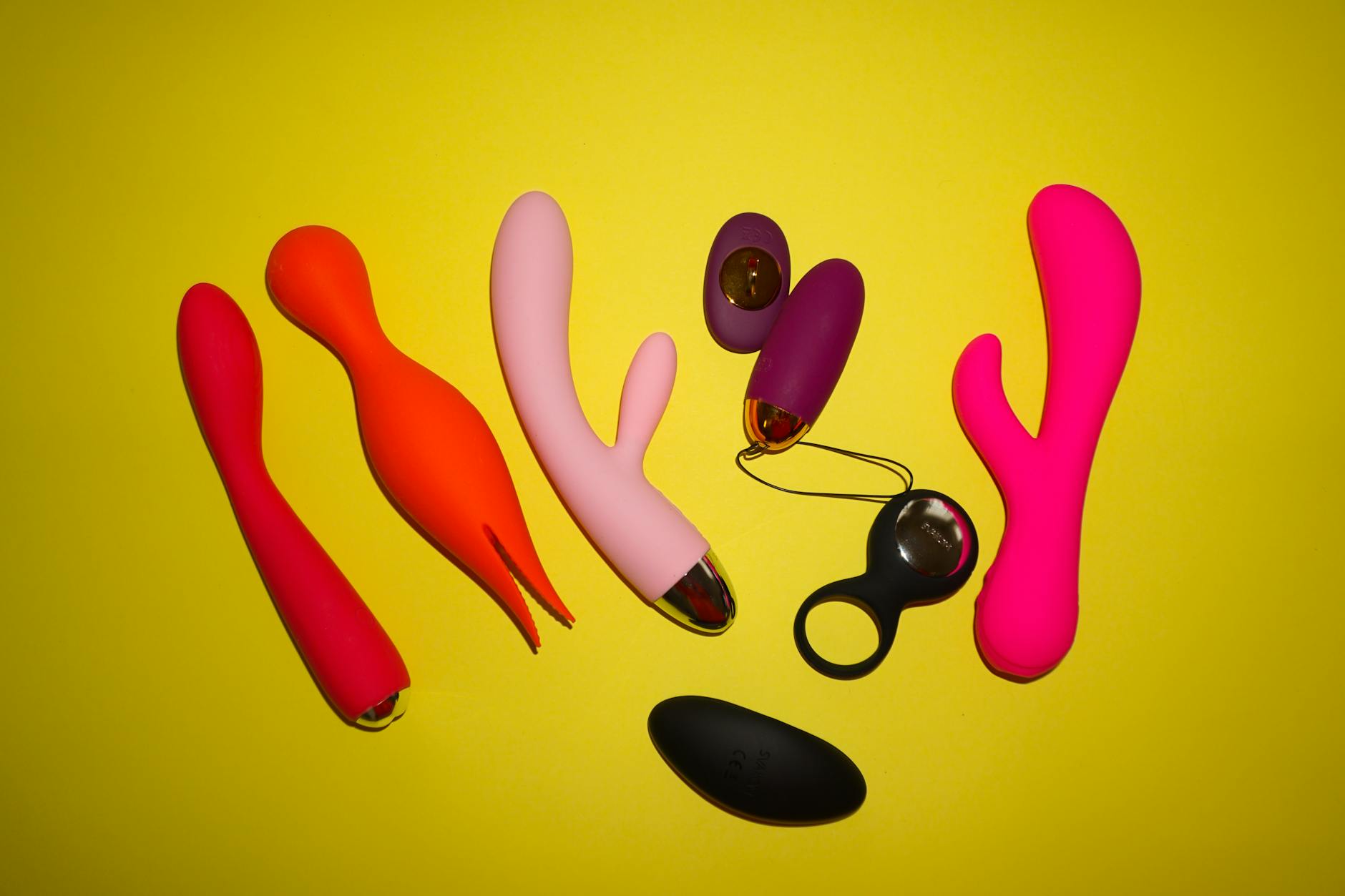
Here's the thing about solo pleasure
Most people start exploring on their own not because they're broken or lonely, but because they want to know their own body before sharing it with someone else. Or they want to understand what feels good without the pressure of performing. Or they're curious. All of those are completely valid reasons.
The tricky part isn't the wanting. It's the permission you have to give yourself, and the practical question of how to actually start.
What you're actually doing when you explore solo
Solo pleasure isn't a warm-up act. It's its own thing. When you're exploring your body alone, you're running a completely different experiment than partnered sex. There's no clock, no one else's rhythm to sync with, no unconscious adjustment to someone else's preferences. You're the only person in the room whose pleasure matters.
This changes everything. Your nervous system can actually relax into the experience instead of staying partly vigilant. Your brain gets to focus on sensation instead of dividing attention between what feels good and what your partner might be feeling. You get to move at your own speed, pause without explanation, try something three times, stop, restart.
Many people discover their most reliable orgasm happens solo, not because partnered sex is worse, but because the conditions are different. Lower stakes. Full agency. Honest feedback from your own body.
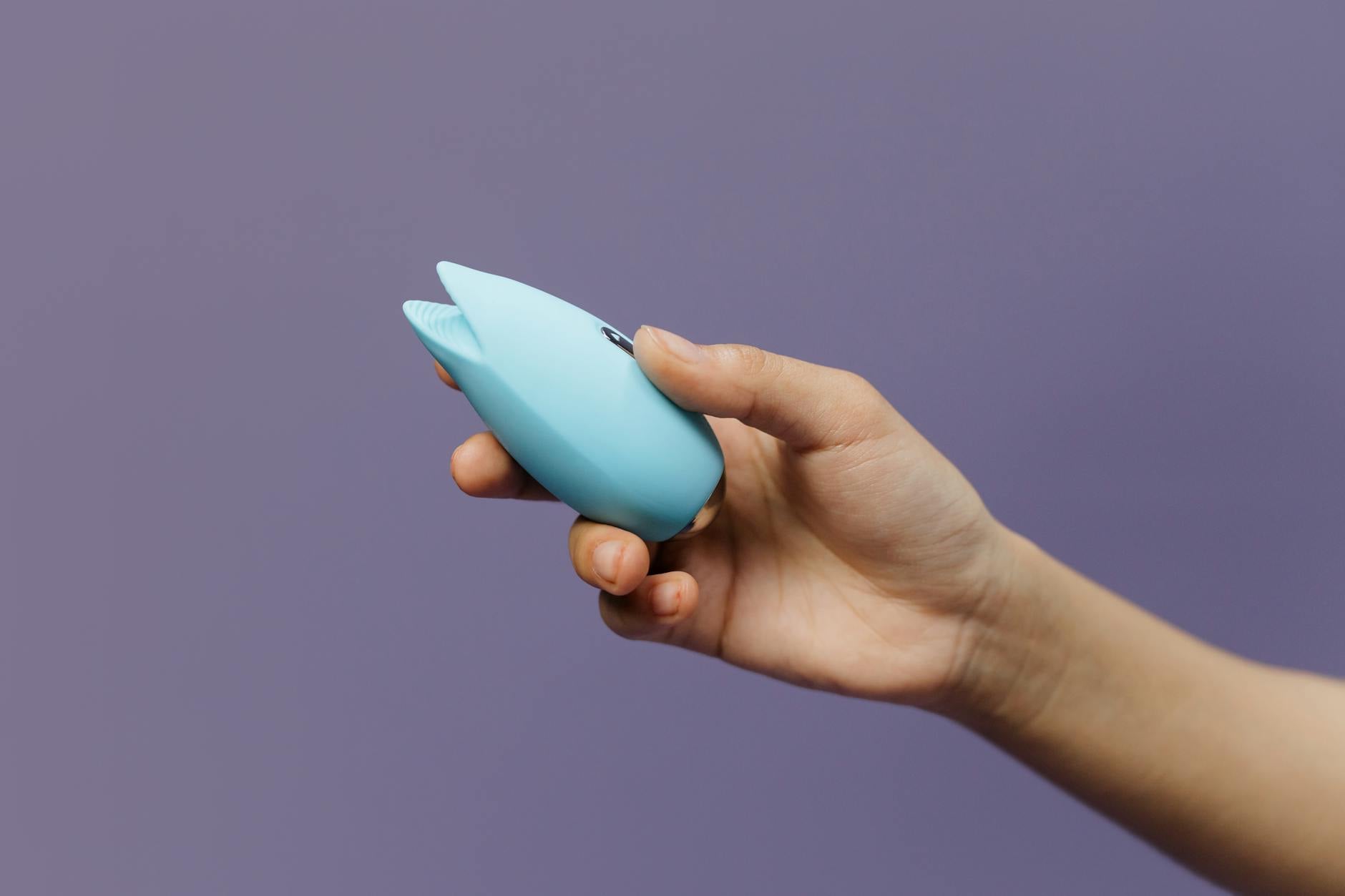
Photo by cottonbro studio on Pexels
Why a lemon vibrator is different from your fingers
Your fingers are wonderful. They're always available and they work. But they have real limitations. Finger pressure is hard to sustain for 20 minutes. Your hand gets tired. You have to maintain the rhythm. A clitoral vibrator like the Lem does the work for you.
More importantly, vibration activates nerve endings in a way that static pressure doesn't. The Lem uses gentle air-suction technology that stimulates the whole clitoral complex, not just the visible tip. That's why many people find that orgasms with a lemon vibrator feel qualitatively different from manual stimulation. Deeper. More spread out. Or more focused, depending on the pattern you choose.
For someone starting solo exploration, this matters because it takes some of the technical burden off you. You're not trying to maintain speed or pressure. You can focus entirely on what sensation actually feels like.
How to set yourself up for success
Four things before you start.
Privacy is non-negotiable. Lock the door if you can. Tell a housemate you need an hour. The goal is genuine relaxation, not holding your breath listening for footsteps. Your body won't open up if part of your brain is on alert.
Ditch the timeline. You're not trying to reach an orgasm. Honestly, that's often the thing that stops people from having one. You're here to explore what sensation feels like. Orgasm is optional, not the mission. If it happens, great. If it doesn't, you learned something about your body anyway.
Comfort matters more than atmosphere. Candles are nice. So is your phone nearby with your favorite music. But what you actually need is a comfortable surface (bed, couch, pillow under your hips), the room at a temperature where you won't get cold, and your lemon clitoral vibrator at hand with the battery charged. Skip the 80s slow-jam Spotify playlist if that's not genuinely you.
Have water nearby. Exploration takes focus. You don't want to break momentum to grab a glass of water in 20 minutes.
How to actually start using the Lem
The Lem is simple to use, which is partly why it works so well for people starting out. Hold it against your vulva. Try patterns 1 through 3 first. Notice what each one feels like. Don't assume higher number equals better. Many people find that lower patterns feel more sustainable and more intense, not less.
You'll probably feel some sensation immediately. That's not arousal yet. It's just your nervous system noticing something new. Give it 30 seconds. Your body needs a minute to interpret the signal.
When you move the Lem around, you'll find spots that feel better than others. Direct stimulation of the clitoral head might feel too much. Try placing it slightly off to the side or lower, where the arms of the clitoris extend under the skin. Angle matters. Pressure matters. Some people find that they need barely any contact, while others want it pressed firmly. There's no right answer.
What to expect when you're exploring
First few times, you might not feel much. Your body is used to one specific type of sensation, and you're introducing a completely new one. Neurologically, your brain needs a few sessions to fully integrate the experience. That's completely normal.
You might also feel self-conscious even alone, which is also normal. You've probably absorbed the message that solo pleasure is something you should hide or be quiet about. That takes time to unwind.
Some people find that their body opens up when they breathe deeply. Some need to remove the expectation of orgasm entirely and just explore. Some need music or a specific type of content to get their brain on board. All of those are legitimate pathways.
What you're building is a relationship with your own pleasure. That takes more than one night.
The mental game matters more than the physical one
I work with a lot of women who grew up hearing that their bodies were something to be controlled, not explored. That solo pleasure was shameful or selfish. That sex was something that happened to them, not something they actively chose.
Starting to explore solo is partly physical. It's also partly unwinding decades of conditioning about what you're allowed to want. That's why some people find that their first few sessions with a lemon clitoral vibrator feel emotionally charged. You're not just exploring sensation. You're practicing agency.
Give yourself permission to feel awkward. Give yourself permission to stop. Give yourself permission to try again next week if this week felt weird. Your body isn't broken if solo exploration doesn't feel magical immediately.
When to reach for a partner about what you've learned
If you're in a relationship, discovering solo pleasure often changes how you and your partner connect. You have information now. You know what makes your body respond. That's powerful information to bring to partnered sex.
You don't have to share everything. But knowing your own pleasure curve means you can actually ask for what you want instead of hoping your partner guesses. That conversation doesn't have to be weird. It can be straightforward: "I've been exploring solo and I found that I really like this pattern. Want to try that together?"
Many couples find that one partner using a lemon vibrator during partnered sex actually brings them closer, not creates distance. The Lem isn't a replacement for your partner. It's additional sensation that you both get to enjoy.
FAQ
Is it normal to feel nothing the first time I use a lemon clitoral vibrator?
Completely normal. Your nervous system is encountering a new sensation. Give it three to five sessions before you assess whether it actually works for you. Some people's bodies need time to learn the pattern. Others find that they need a different intensity level or to experiment with angle and pressure. If nothing changes after five solid attempts, consider whether you might benefit from talking to a sexual health provider, as sensation changes can sometimes indicate underlying issues worth exploring.
Should I use lube with the Lem vibrator?
The Lem doesn't require lube to function, but some people find that a thin layer of water-based lube helps sensation feel smoother and reduces any friction that might feel uncomfortable. If you have naturally good lubrication, you might not need it. If you tend toward dryness, lube can make the experience more comfortable. Never use silicone-based lube with a silicone toy.
What if I feel guilty about exploring solo pleasure?
That guilt often comes from old messages about your body being something you should control rather than enjoy. Guilt is a signal worth listening to, but it's not a stop sign. Start by noticing where the guilt lives in your body. Does it make your chest tight? Does it show up as a voice in your head? Once you locate it, you can actually talk back to it. Ask yourself where that message came from. Does it still serve you? Many people find that regular solo exploration actually softens that guilt over time, because you're proving to yourself that your pleasure matters.
Can I use a lemon sexual toy if I have never had an orgasm?
Absolutely. Orgasm isn't a prerequisite for exploring. In fact, many people find that taking the pressure off "achieving" an orgasm and just exploring sensation makes it more likely to happen eventually. The Lem can help you learn what your body's response patterns are. That knowledge is valuable whether or not orgasm happens on a particular night.
How often should I explore solo with my lemon clitoral vibrator?
There's no magic frequency. Some people find that weekly exploration helps them stay connected to their body. Others prefer monthly or less frequent sessions. The goal is consistency enough that you're building actual knowledge about your body, not so frequent that it becomes compulsive. If you notice that solo exploration is replacing other activities or becoming anxiety-inducing, that's worth checking in with yourself about.
Is it weird to use a lemon vibrator if I'm single and not dating?
Not even a little bit. Solo pleasure has nothing to do with relationship status. Single people explore. Partnered people explore. People in relationships also masturbate alongside partner sex. These aren't mutually exclusive. Your body belongs to you first, always.
The real work starts now
Exploring solo pleasure isn't about reaching some finish line. It's about building a relationship with your own body that doesn't depend on anyone else's presence or approval. That relationship changes how you show up in your body, how you communicate about pleasure, and how much agency you have in your own experience.
Start with curiosity instead of performance. Give yourself time. The Lem is just a tool. You're the expert on your own sensation. Trust that.
If you want more guidance on connecting with your own pleasure or navigating these conversations with a partner, we're here. Reach out anytime.