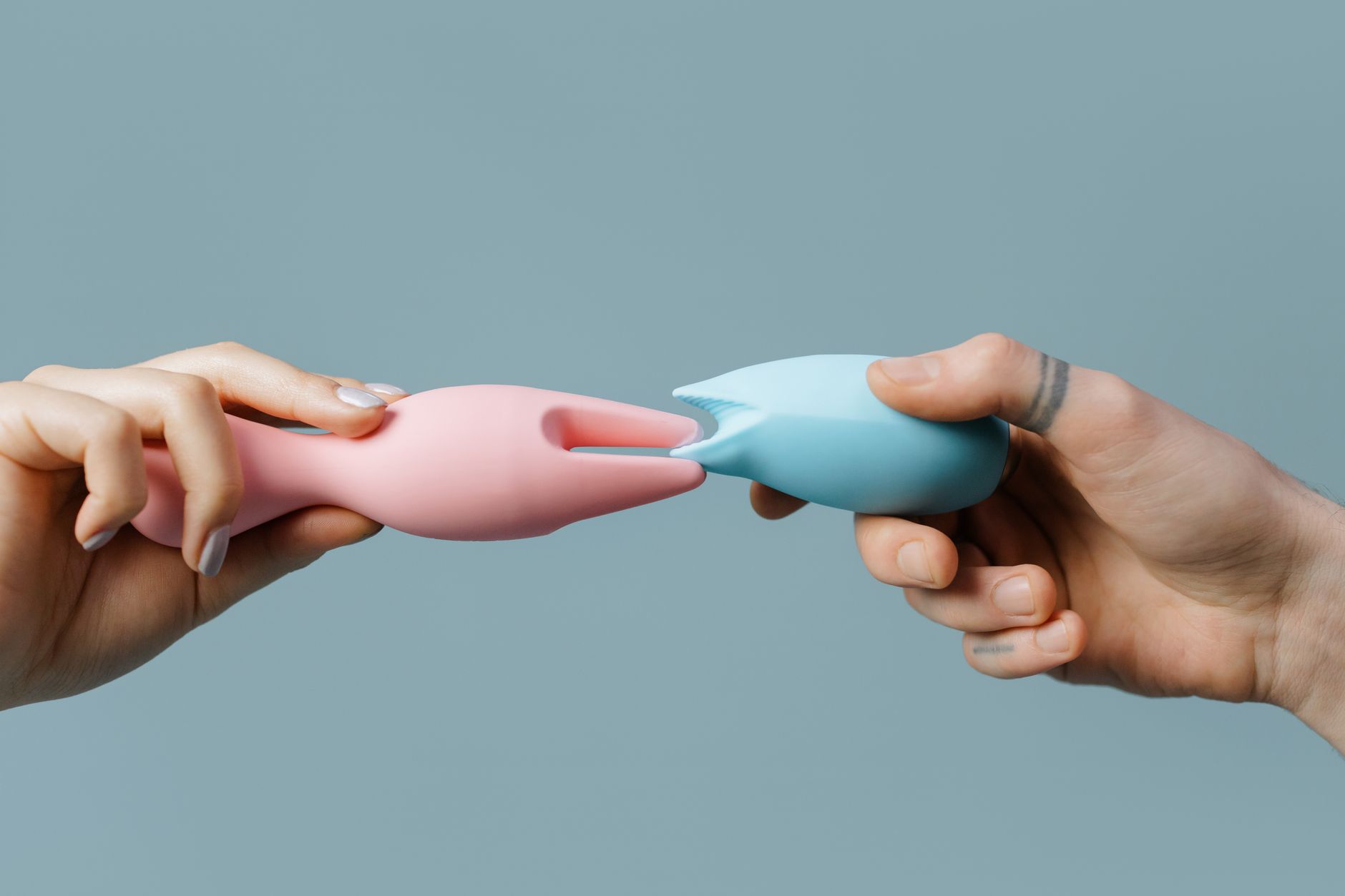
Let's name the thing no one talks about
Pain during sex wrecks intimacy in ways that go way beyond the physical. It creates avoidance, resentment, performance anxiety, and a weird isolation inside your own body. You stop wanting to be touched. Your partner starts wondering if they're doing something wrong. The whole dynamic cracks.
Here's what I see in my practice: people with dyspareunia (that's the clinical word for painful sex) often stop asking for pleasure entirely. They turn inward, assume it's permanent, and start having conversations with their partner that spiral into blame instead of problem-solving. Both things make the pain worse.
A lemon vibrator, specifically the kind that uses gentle suction technology, can interrupt this cycle. Not by fixing the pain overnight, but by giving your nervous system permission to feel pleasure without bracing for discomfort.
Why pain during sex happens (and why it's not "just stress")
Pain during sex has real physical causes. The most common:
Vaginismus. Your pelvic floor muscles tighten involuntarily, often triggered by past trauma, anxiety, or a history of painful sex. Your body is literally protecting you. This is treatable with pelvic floor physical therapy.
Vulvodynia. Chronic pain in the vulva that shows up as burning, rawness, or sharp sensation. The nerve endings are literally more sensitive. Topical treatments, pelvic floor work, and sometimes medication help.
Low estrogen. After menopause, stopping hormonal birth control, or during breastfeeding, tissue thins and lubrication drops. This isn't psychological. Your vagina is literally thinner and more fragile.
Endometriosis or fibroids. Deep pain during sex often signals something structural that needs imaging and specialist attention.
Psychological factors. Anxiety, past trauma, or relationship disconnection absolutely create pain. The nervous system doesn't separate "real" pain from "caused by stress." It's all real.
Here's the thing that matters: even when the primary cause is physical, the avoidance and emotional cascade make it worse. You need both tracks: medical support and a pathway back to pleasure.
Why a lemon vibrator changes the conversation
A lemon clitoral vibrator, particularly one that uses suction rather than direct vibration, works differently than penetrative touch. Here's why that matters when pain is in the picture:
It's clitoral, not penetrative. If your pain is inside the vagina, suction stimulation on the clitoris bypasses the painful area entirely. You get pleasure without triggering the anxious response.
Suction technology is gentler on sensitive tissue. It doesn't rely on friction. If your vulva is raw or tender, direct vibration can feel abrasive. Suction creates a rhythmic sensation that feels more like a massage.
You control the pace and intensity. With a partner, there's pressure to accommodate their rhythm. With a toy, you set the pattern. This agency alone reduces anxiety.
It rewires your nervous system. When you experience pleasure without pain, your body learns that pleasure is possible. This sounds simple. It's neurologically profound. Your nervous system stops bracing.
How to use a lemon vibrator when pain is in the picture
Two completely different approaches, depending on whether you're solo or with a partner.
Solo exploration
Start in private, with time, no agenda, and zero pressure to achieve anything. Here's the rhythm that works:
Set the space. Comfortable bed or couch. Phone on silent. No time limit. This matters because your brain needs to believe there's no rush.
Warm up first. Even if you're not experiencing direct pain, anxiety lives in the pelvic floor. Spend five to ten minutes on breathing, light touching, or just noticing where you feel pleasure (it might not be where you expect). Your clitoris isn't the only nerve-rich area. Your inner thighs, lower belly, and even your inner arms have sensation.
Start at pattern one. The Lem has multiple intensity patterns. Begin at the gentlest. You're not looking for orgasm. You're looking for sensation. Notice what feels okay. Many people with pain find that lower intensities feel safer because there's no risk of overstimulation.
Pause if you notice bracing. Your pelvic floor will tighten if you're anxious. If it happens, stop for a minute, breathe, notice it without judgment. This is information, not failure. Your body is telling you something. Respect it.
Build from clitoral to broader sensation. Once the clitoris feels okay, try applying the vibrator to the outer labia, the perineum, or the inner thighs. This expands your sense of what's available.
Stop if pain appears. This is non-negotiable. Pain is your stop sign. Pleasure is your go signal. There's no medal for pushing through.
With a partner
This is where the work gets relational. Pain during sex often creates a dynamic where you're managing your partner's feelings instead of your own body.
Name it together first. Before any toy is involved, have a conversation: "I'm experiencing pain, and I'm noticing we've both withdrawn. I want to explore ways pleasure is possible for me without triggering that pain. Can we experiment together?"
This frames it as a shared problem, not your failure. It also gives your partner agency instead of leaving them feeling helpless.
Introduce the toy as a bridge, not a replacement. "I want to use this so we can be connected without me bracing for pain. Would you like to help?"
Some partners find this liberating. Others feel insecure. If your partner feels threatened by a toy, that's worth a separate conversation about insecurity. Don't sacrifice your pleasure to manage their ego.
Use it together. Your partner can hold it while you guide them to the right spot and pressure. This keeps the intimacy and the touch. The lemon vibrator just removes the friction that creates pain.
Build back into other touch slowly. Once you're comfortable with the vibrator creating pleasure, you might experiment with light penetration alongside it. There's no rush. Many couples find that blended stimulation (clitoral suction plus external touch) feels safer than penetration alone.
Celebrate small wins. The first time you experience pleasure without pain bracing is huge. Name it. Notice it. Your nervous system needs to recognize, "Oh, pleasure without pain is actually possible."
The medical piece matters
If you haven't already, see a gynecologist or pelvic health specialist. Pain during sex is treatable. Depending on the cause, you might benefit from:
Pelvic floor physical therapy. A PT trained in pelvic health can teach you to relax muscles that have learned to tighten. This alone often reduces pain.
Topical estrogen or anesthetic creams. If thinning tissue or vulvodynia is the issue, there are options that work well.
Vaginal dilators. These help your body gradually adjust if vaginismus is part of the picture.
Treatment for endometriosis or other structural issues. Sometimes pain points to something that needs different support.
The lemon vibrator isn't a replacement for this work. It's a companion to it. You're addressing both the body and the nervous system.
Photo by Hanna Brovko on Pexels
Why the relationship matters as much as the vibrator
Here's what I've learned working with couples: pain during sex is relationship pain. It's not just happening in your pelvis. It's happening in the dynamic between you and your partner, in how you talk about it, in whether you feel safe asking for what you need.
A lemon clitoral vibrator creates space for pleasure without the old anxiety script. But it only works if you're also willing to communicate differently. That means:
Saying what feels good, not what feels obligatory. "I enjoy this" instead of "I should be able to handle this."
Asking your partner to adjust, not disappear. Some people with pain stop inviting touch because they assume it will hurt. Then they feel disconnected. A better path: "I want to be close to you. Let's find ways that feel good for me."
Checking your shame. Pain during sex carries weird guilt. You're not broken. Your body isn't betraying you. It's protecting itself from something and needs patience.
Building back slowly. Rushing to "normal" sex often recreates the pain cycle. Slowing down and exploring what works is actually faster long-term.
When to escalate the conversation
If pain persists after two to three months of exploration and medical support, or if it's accompanied by emotional patterns like persistent numbness or dissociation, talk to a therapist who specializes in sexual health or trauma. Sometimes pain is protecting you from something deeper.
That's not weakness. That's wisdom. Your body is communicating something important.
Frequently asked questions
Can a lemon vibrator actually reduce pain during sex?
A lemon vibrator doesn't fix the underlying cause of pain, but it can help your nervous system unlearn the association between sexual touch and discomfort. By providing pleasure without triggering pain, it interrupts the avoidance cycle. Many people find that as they build positive associations with pleasure, anxiety decreases, which can reduce tension-based pain. Always pair this with medical evaluation to rule out structural issues.
Is it normal to feel anxiety when trying a vibrator after painful sex?
Completely normal. Your nervous system has learned that sex equals pain, so it's hypervigilant. Using a vibrator in a low-pressure, solo environment first allows your body to learn that pleasure without pain is possible. There's no rush. Some people need weeks of solo exploration before feeling safe to use one with a partner.
What if my partner feels insecure about using a toy when pain is involved?
This is common and worth addressing directly. Frame it as teamwork, not replacement. You might say: "I want to experience pleasure with you and feel safe. This tool helps me get there. Can we try this together?" If your partner's insecurity is blocking your access to pleasure, that's a relationship dynamic worth exploring with a therapist.
Should I tell my doctor I'm using a vibrator to manage pain?
Yes, mention it during your pelvic health appointment. Your healthcare provider can give you specific guidance based on your diagnosis. Some conditions benefit from vibrator use; others require you to avoid certain stimulation patterns first. Getting medical buy-in helps you move forward with confidence.
How long before pain typically improves?
It depends on the cause. Tension-based pain often shifts within two to four weeks of gentle exploration and pelvic floor work. Tissue-related pain (low estrogen, vulvodynia) might take longer as topical treatments take effect. Structural pain (endometriosis, fibroids) requires specific medical treatment. Be patient with the timeline. Healing isn't linear.
Can I use a lemon vibrator if I'm in a sexless marriage?
Absolutely. A lemon clitoral vibrator gives you access to your own pleasure independent of your partner. That's valuable in itself. It also sometimes creates the safety and grounding that makes you want to reconnect. Consider exploring solo first, then deciding if you want to invite your partner into that space. Your pleasure doesn't require their participation.
The real shift
Pain during sex tells you something is wrong. Your job isn't to push through it or accept it as permanent. Your job is to listen, get support, and gradually rebuild a relationship with your own body that feels safe.
A lemon vibrator is one tool in that process. It's gentle, you control it, and it bypasses the areas triggering pain while creating new neural pathways for pleasure. That matters.
But the bigger shift happens when you decide: my pleasure is worth protecting. My needs matter. And I'm going to ask for what I need, even when it's uncomfortable.
That's how pain stops running the show.